
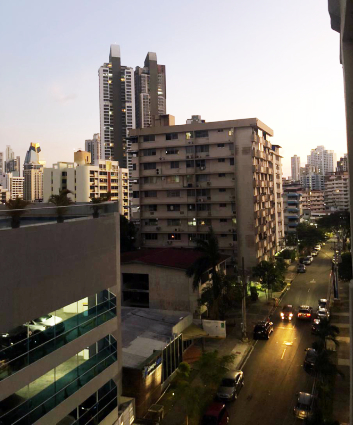
Updated 2026 guide covering real apartment prices, cost of living, safety, walkability, and relocation strategy.
El Cangrejo Panama is one of the most walkable and vibrant neighborhoods in Panama City. Popular with retirees and digital nomads, it offers central location, real 2026 apartment pricing, and strong expat community energy.
✔ Real 2026 pricing
✔ Honest pros & cons
✔ Walkability & metro access
✔ Immigration planning insights
What You’ll Learn in This Guide
Why Expats Choose El Cangrejo
• Walkable streets
• Cafés & restaurants
• Mid rise buildings
• Social atmosphere
• Compared to Costa del Este (more suburban)
• Compared to Punta Pacifica (more luxury/corporate)
Apartment Prices (2026)
1 bedroom: $700 to $1,500 US
2 bedroom: $800 to $2,000 US
Luxury: $2,200+ US
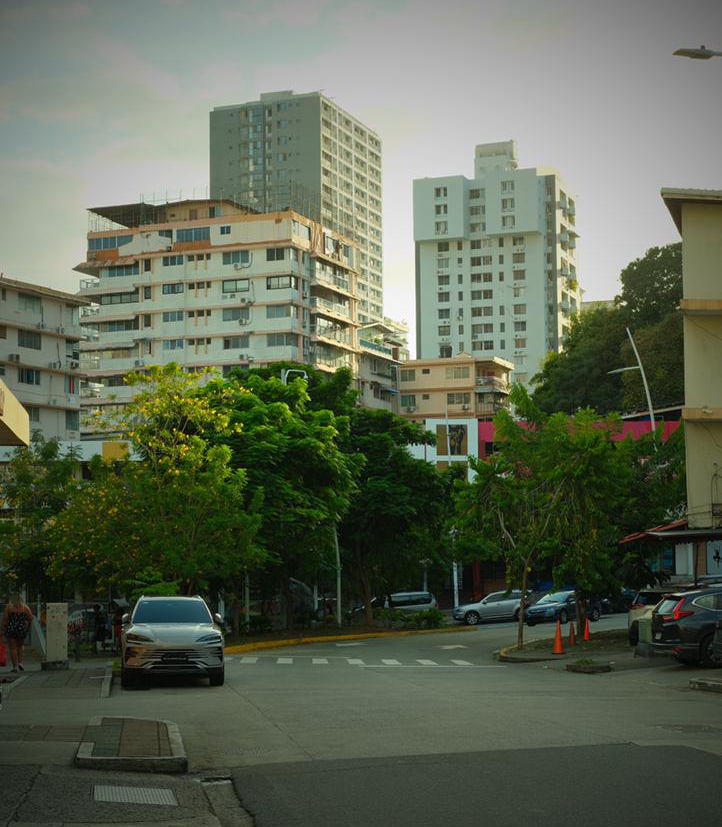
Most buildings are older but solid concrete construction.
Cost of Living
The average cost of living in El Cangrejo, Panama ranges from $2,000 US to $2,800 US per month for a single person living comfortably. This includes rent in a centrally located modern apartment, utilities, high speed internet, groceries, dining out multiple times per week, transportation, and private health insurance.
For retirees, Panama’s pensionado discounts can reduce certain expenses such as medical services, entertainment, and some utilities, lowering the overall monthly spend. Couples can often live well for $2,500 US to $3,500 US depending on apartment size and lifestyle preferences.
Digital nomads appreciate El Cangrejo for its fiber internet, walkability, coworking options, and proximity to banking and international services. Compared to cities like Miami, Toronto, or Los Angeles, the neighborhood offers significantly lower monthly expenses while maintaining modern infrastructure and safety.
Typical Monthly Breakdown (2026)
-
1 bedroom apartment: $700 US to $1,500 US
-
Utilities + internet: $150 US to $250 US
-
Groceries: $300 US to $500 US
-
Dining out & entertainment: $250 US to $400 US
-
Transportation: $100 US to $250 US
-
Private health insurance: $100 US to $300 US
Total realistic lifestyle range: $2,000 US to $2,800 US per month
El Cangrejo remains one of the best balanced neighborhoods in Panama City for affordability, convenience, and expat lifestyle quality, which is why many residency applicants choose to live here during their transition period.
If you’re planning to relocate, understanding your real monthly budget is step one. Step two is structuring the right residency strategy to support that lifestyle long-term.
Is El Cangrejo Safe?
Yes, El Cangrejo is considered one of the safer and more established neighborhoods in Panama City. The area has a visible police presence, active foot traffic, and a mix of long term residents, professionals, and expats.
Most buildings have secure entry systems, doormen, and controlled parking, which adds another layer of security for apartment residents.
Like any urban neighborhood, petty theft can occur, so basic city awareness is recommended, especially at night. However, compared to many major North American cities, El Cangrejo generally feels calmer, more walkable, and community oriented. Its combination of residential density, lighting, and nearby commercial activity contributes to its reputation as a stable and comfortable area for retirees, families, and remote professionals.
Walkabilty & Transport
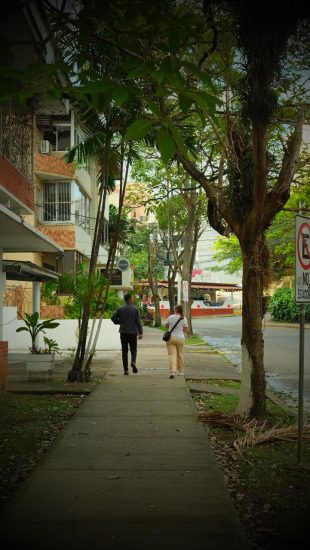
El Cangrejo is widely considered one of the most walkable neighborhoods in Panama City. The area is compact, relatively flat, and designed around residential streets lined with cafes, grocery stores, pharmacies, banks, gyms, and parks, all within a few blocks of most apartment buildings. Many residents find they rarely need a car for daily life.
The neighborhood is conveniently located near Iglesia del Carmen Metro Station and Vía Argentina Metro Station, providing fast access to the banking district, shopping centers, and other key areas of the city. Ride share services and taxis are affordable and readily available, and traffic inside El Cangrejo itself is generally calmer than in high rise districts like Punta Pacifica or Costa del Este.
Compared to more car dependent neighborhoods, El Cangrejo offers a more European style urban feel, where daily errands can be done on foot and social life happens at street level. For retirees, digital nomads, and new residency applicants, this reduces transportation costs while significantly improving lifestyle convenience.
When planning a move to Panama, transportation infrastructure and neighborhood layout matter more than most people realize. Choosing a walkable area like El Cangrejo can directly impact both your monthly budget and your long term comfort, which is why we often discuss neighborhood fit during residency strategy consultations.
Pros & Cons
No neighborhood is perfect. Here’s a realistic breakdown:
Pros
• Excellent walkability
• Central location near metro and banking
• Lower rental costs than luxury districts
• Active street life and restaurant scene
• Strong expat presence
• Easier transition area for new residents
Cons
• Fewer ocean views compared to waterfront areas
• Some older buildings (varies by property)
• Limited ultra luxury inventory
• Street noise on busier avenues
For most expats, the advantages outweigh the drawbacks, especially during the first to 3 years of living in Panama.
Who Should Live Here?
Ideal for:
Retirees
Digital nomads
Couples
Not ideal for:
Large families
People wanting gated suburban living
Moving to El Cangrejo? Start With Residency Planning
Many expats make mistakes by signing leases before confirming visa eligibility.

Frequently Asked Questions
Is El Cangrejo better than Costa del Este for expats?
It depends on lifestyle preference. El Cangrejo is more walkable, social, and centrally located, making it popular with retirees and digital nomads who want cafés, restaurants, and metro access within walking distance. Costa del Este is newer, more suburban, and typically requires a car for daily errands. Expats who value convenience and community often prefer El Cangrejo, while families seeking newer high rise buildings may lean toward Costa del Este.
What type of buildings are common in El Cangrejo?
El Cangrejo is known for mid rise apartment buildings, typically between 5 and 20 stories, many constructed 15 to 30 years ago with solid concrete structures. Floor plans are often larger than newer luxury towers in other districts. While some buildings have modern renovations and amenities, others may be more traditional. This mix gives the neighborhood character and a broader range of price points compared to newer high rise areas.
Is El Cangrejo Panama safe?
El Cangrejo is considered one of the safer central neighborhoods in Panama City due to its residential character, consistent foot traffic, and established expat presence. While petty theft can occur as in any urban area violent crime is uncommon. Standard city awareness is typically sufficient, and many retirees and remote professionals report feeling comfortable walking during the day and early evening hours.
Can retirees comfortably live in El Cangrejo?
Yes. El Cangrejo is particularly attractive to retirees who value walkability, proximity to healthcare, grocery stores, cafés, and metro access. The neighborhood’s compact layout reduces dependence on a car, and its central location allows easy access to hospitals and financial services. Many Pensionado visa holders prefer El Cangrejo for its balance of convenience and community.
Do I need a car if I live in El Cangrejo?
In most cases, no. El Cangrejo is one of the most walkable areas in Panama City, with daily essentials located within short walking distance. The Vía Argentina metro station provides direct access to the financial district and other parts of the city. Some residents choose to keep a vehicle for weekend travel, but it is not essential for daily life.
Is El Cangrejo a good long term investment area?
El Cangrejo benefits from limited available land, central positioning, and consistent rental demand from both locals and expatriates. While it may not experience rapid speculative growth like emerging districts, it is often viewed as a stable, rental friendly neighborhood. Investors typically prioritize El Cangrejo for its dependable occupancy rates and enduring lifestyle appeal.
Can foreigners buy property in El Cangrejo Panama?
Yes. Panama grants foreigners the same titled property ownership rights as citizens in most urban areas, including El Cangrejo. There are no nationality based restrictions on standard residential purchases. However, buyers should conduct proper title verification, understand closing procedures, and evaluate banking requirements, especially if residency status is part of a broader relocation strategy.
How much is rent in El Cangrejo Panama?
As of 2026, one bedroom apartments in El Cangrejo typically range from $800 to $1,400 per month, depending on building condition and amenities. Two bedroom units generally range from $900 to $2,000. Renovated or higher floor units may exceed these ranges. Compared to newer luxury districts, El Cangrejo often offers larger floor plans at more moderate pricing.
Ready to Relocate to Panama?
Relocating to Panama is simple when you have the right strategy. Whether you’re exploring retirement, investment opportunities, or a full lifestyle move, the biggest mistakes happen before the paperwork is even filed. We help you understand your residency options, timeline, required documents, and total costs, so you move forward with clarity and confidence, not guesswork.